
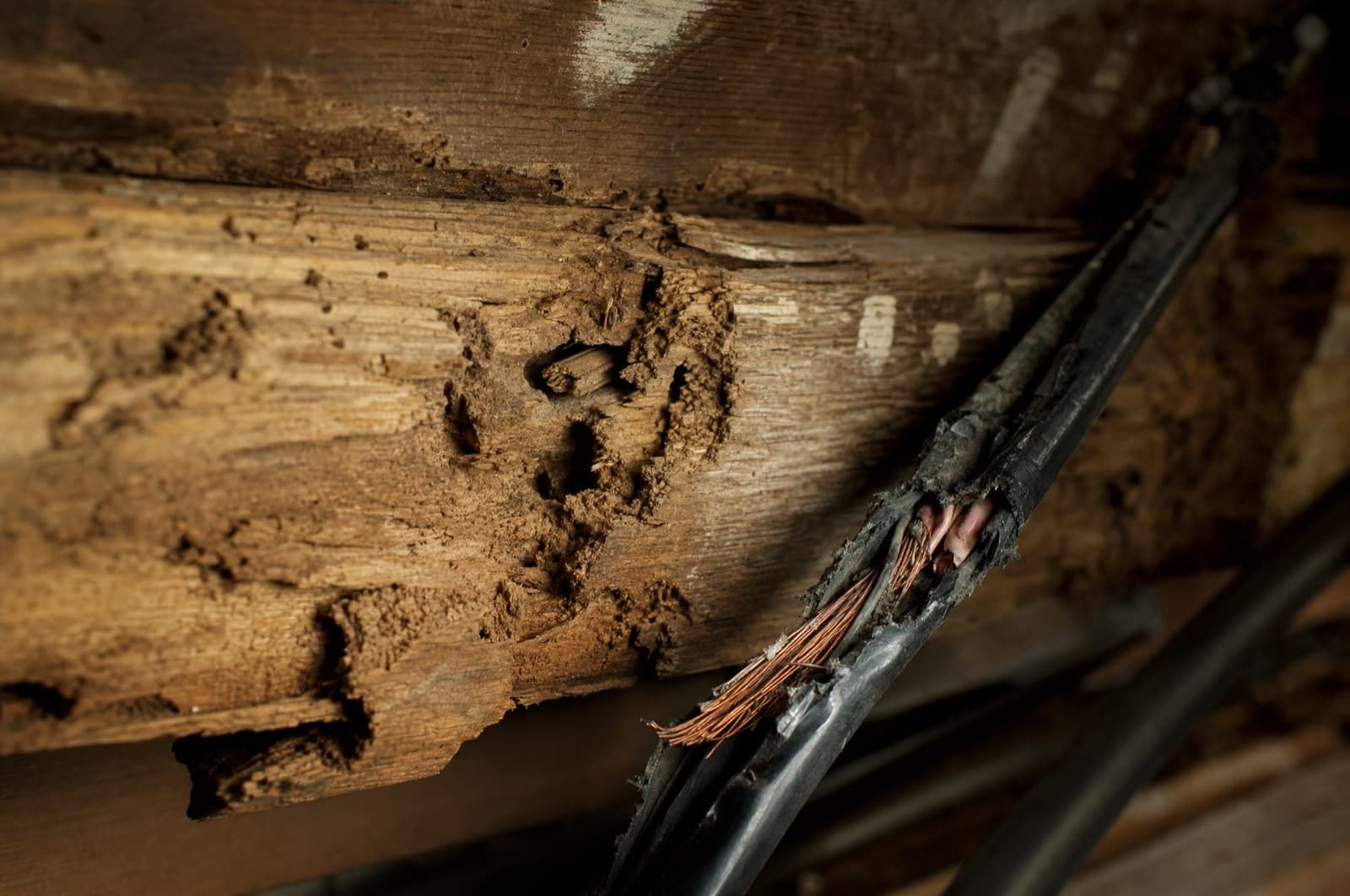
Don't wait - every day increases health risks and property damage. These aggressive rodents multiply rapidly and spread dangerous diseases.
Professional elimination is the ONLY safe and effective solution. DIY methods fail 90% of the time and can make the problem worse.
Average response time
Satisfaction guarantee

Call now for same-day, eco-friendly pest control
With over 20 years of experience, Anchor Pest offers personalized, chemical-safe yearly subscriptions, protecting homes and businesses across Manchester and surrounding counties with ongoing peace of mind.
Yes, many wasp species chew on wood to build their nests. Most commonly, social wasps—like yellowjackets and paper wasps—are known for this behavior. They use their strong mandibles (jaw-like mouthparts) to scrape and chew wood fibers from sources such as fences, decks, sheds, or even trees. The chewed wood mixes with their saliva to make a pulpy paste, which they use to construct the thin, papery walls of their nests.
When a wasp decides to start building a nest in spring or early summer, it searches for a suitable location. Popular spots include under eaves, in attics, tree branches, or even inside sheds. Once a location is chosen, the wasp goes out in search of raw material—usually untreated, weathered wood or dead tree bark because it's softer and easier to scrape.
The wasp uses its mandibles to scrape thin layers of wood. You'll often see the marks—tiny parallel scratch lines—left behind after they are done. The wasp chews this wood into small pieces and mixes it thoroughly with her saliva. This mixture creates a pulp that is both sticky and moldable. The wasp then flies back to the nest site with the pulp ball in her mouth.
At the nest, the wasp uses its mouth and legs to spread and sculpt the pulp into thin layers, forming the cells (small, open chambers) and outer walls. Paper wasps, for example, construct a comb-like structure, while yellowjackets create round, multi-layered nests. Over time, repeated trips and continuous wood gathering result in the papery look and texture you often notice on these nests.
Wood fibers, when mixed with saliva, create a strong yet lightweight material. This papery substance allows wasps to build large, complex nests that are resistant to rain and maintain a stable temperature inside. Using wood pulp is also an efficient way for wasps to build quickly and on a large scale, supporting several dozen to thousands of wasps in just a few weeks.
If you notice wasps frequently visiting the same wood surfaces—like deck railings, fences, patio furniture, or wooden play structures—you might find fine scratch marks or patches on these areas. Sometimes, you'll even spot the wasps themselves actively scraping with their jaws. Over time, these areas may become roughened or discolored.
In summary, yes—wasps do chew on wood to build their nests. This process involves scraping wood, chewing it into a pulp with their saliva, and using the mixture to construct their distinctive paper nests. This behavior is crucial to their survival and enables them to create durable homes for their colonies.
Professional pest control eliminates troubles immediately. Our safe, effective treatments protect your loved ones from dangerous diseases.
How pest infestations can damage your home and hurt resale value, plus practical prevention tips to safeguard your property investment.
Read MoreHow seasonal pests—from spring ants to winter rodents—cause unique damage and learn tips to protect your home year-round.
Read MoreHow bat droppings can damage your attic insulation, pose health hazards, and learn expert tips to prevent costly repairs and keep your home safe.
Read MoreHow termites can damage your flooring and wall supports, spot early warning signs, and take action to protect your home from costly repairs.
Read MoreWhether starlings and pigeons can clog vents or drains, uncover the warning signs of blockages, and discover proven prevention tips to keep your home safe.
Read MoreHow fleas can harm more than just your pets—infesting carpets, damaging furniture, and posing health risks to humans. Learn expert tips for prevention and.
Read MoreWhy roaches hide in kitchen appliances—warmth, food crumbs, moisture and dark tight spots—and learn simple tips to prevent infestations and keep your kitchen.
Read MoreCan bird nests cause chimney fires? Learn how flue blockages from nests can ignite dangerous hotspots and discover expert tips on safe nest removal, chimney maintenance, and fire prevention.
Read MoreWhich pests—termites, rodents, carpenter ants and more—can drive up your repair bills, and get expert tips to prevent costly home damage.
Read MoreOur certified technicians eliminate pests infestations completely and permanently.
Here's what you get:
🔍
Trained experts identify entry points and nesting areas
🛡️
Pet and family-friendly methods used
🎯
Targets entire colony, not just visible insects or rodents
📋
Long-term exclusion strategies
🧽
Proper cleanup and sanitization
✅
Service warranty and follow-up visits
Complete property assessment within 24 hours
Safe, effective treatment of entire colony
Long-term exclusion and monitoring
Join thousands of satisfied customers who chose professional pest control.
100% satisfaction guarantee.
Quarterly Subscription Plans • Licensed & Insured • Same-Day Start • 100% Satisfaction Guarantee